Education
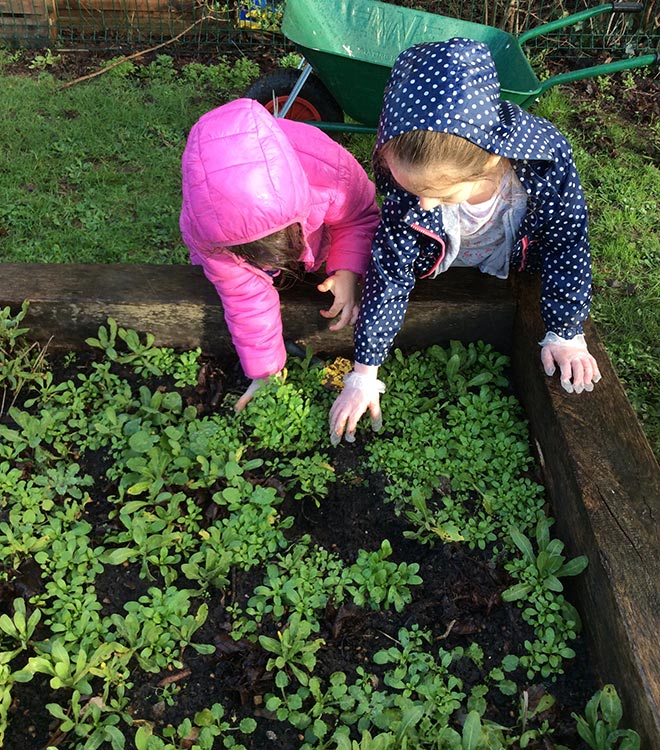
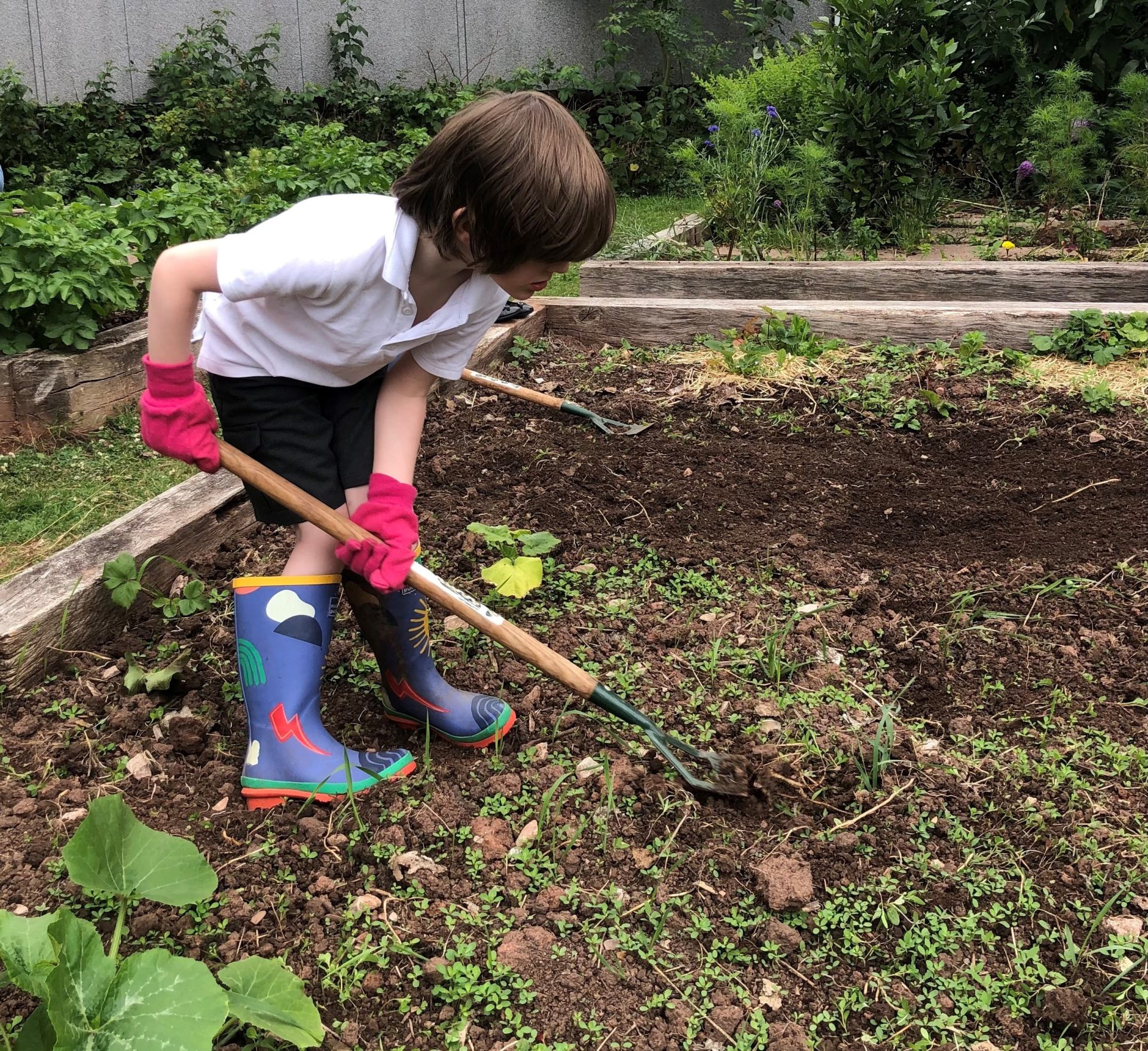
The Education Group was formed in 2005 and offers support to schools undertaking garden projects. This support takes the form of visits to schools, grants of money and advice leaflets covering a wide range of topics. We have been able to help increasing numbers of schools and these encompass a wide age range and type of school. For more information about the schools we have helped, please click on the Schools Report 2009 link. For a list of the schools that have received grants please click on the School Awards List.
Schools interested in obtaining more information about the SGT Education Grant scheme should apply to Eileen Meiklejohn at demeiklejohn@yahoo.co.uk
SW AREA ANNUAL CONFERENCE – 11 March 2010 at Hestercombe Gardens, Taunton
Somerset Gardens Trust will be hosting the annual regional Education Meeting of the South West Counties Gardens Trusts at Hestercombe. This is an opportunity for Education Groups to learn from each other the practices and innovations that promote an interest in gardens and gardening for the young, both in and out of school. Any SGT member is welcome to come. Click on the link to download details of the Education Conference programme
Plastic Bottle Greenhouse at Holway School, Taunton
This is a particularly impressive project at Holway School in Taunton, which has a thriving garden club. The plastic bottle greenhouse involved the co-operation of pupils and parents to collect empty bottles, prepare them and finally attach them to a wooden frame. This is, of course, both innovative and cost-effective.
The Education Group – 2009 Annual Report
As we look forward to the next academic year, it is appropriate to look back at what has been accomplished by the Somerset Gardens Trust in supporting gardening in schools in the year just gone. It may be interesting for members to know how they have contributed to the burgeoning interest in gardening that has occurred in schools in the county.
There has been an increasing emphasis on healthy eating and environmental issues by both central and local government. Though there is no extra money and teachers are already under great pressure, it is to be applauded that schools are increasingly interested in growing vegetables and fruit that children are more likely to eat, having observed the whole growing process.
However, the initial preparation of a garden whether for vegetables or flowers, the use and care of tools, the design of a pleasing and functional layout, the advantages of areas for sitting and contemplating your handiwork, the consideration of wildlife, are all best dealt with by the coming together of interested gardeners and groups of children. In the visits by members of the Education Group, we have met teachers, school assistants, parents, caretakers and nearby allotment holders who are enthusing children of all ages and abilities. We have been able to offer advice, to make appropriate literature and contacts available, to provide seedlings and – yes, give them grants from funds of the Trust to get them started.
For those of us who are supporters of the SGT, the joys of gardens are more than the things I have itemised. This is a lifelong interest. The aesthetic pleasure from gardens and the intellectual stimulus are immeasurable. By encouraging gardening in schools, we are providing a legacy for more children who might not be in a situation where this would be a feature of their parents’ lives. Certainly some of the most inspiring visits have been to schools in deprived areas, where the work of a small number of keen individuals is helping to foster a real enjoyment of gardens – and their ingenuity might be a lesson to us all (had you thought about constructing a greenhouse from plastic bottles?).
How many of us would be interested in historic gardens, if we had not first been introduced to gardening? At a time when many organisations are being asked to justify their charitable status, it seems to me that, if it does nothing else, the support the SGT gives to schools provides ample evidence of the benefit given to the young and the wider community, whilst we indulge our pleasure in gardens.
Ann Leyburn